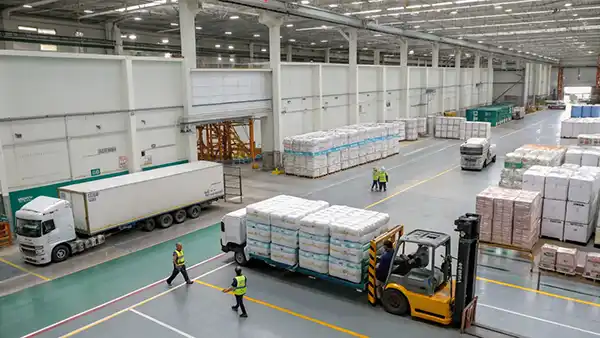
Who is the Largest Diaper Manufacturer? Complete 2025 Industry Guide
The global diaper market reached USD 67.82 billion in 2024, with projections showing growth to USD 108.93 billion by 2033. Kimberly-Clark maintains its position as the industry leader, followed closely by Procter & Gamble.
| Manufacturer | Annual Revenue | Market Share |
|---|---|---|
| Kimberly-Clark (Huggies) | $21.3 billion | 31.5% |
| Procter & Gamble (Pampers) | $19.2 billion | 28.1% |
| Unicharm (MamyPoko) | $7.5 billion | 11.2% |
| Kao Corporation (Merries) | $6.4 billion | 9.5% |
Global Diaper Manufacturing Leaders
As we move through 2025, the diaper manufacturing industry continues to evolve with technological advancements and changing consumer preferences. Leading manufacturers are adapting to new market demands while maintaining their competitive edge.
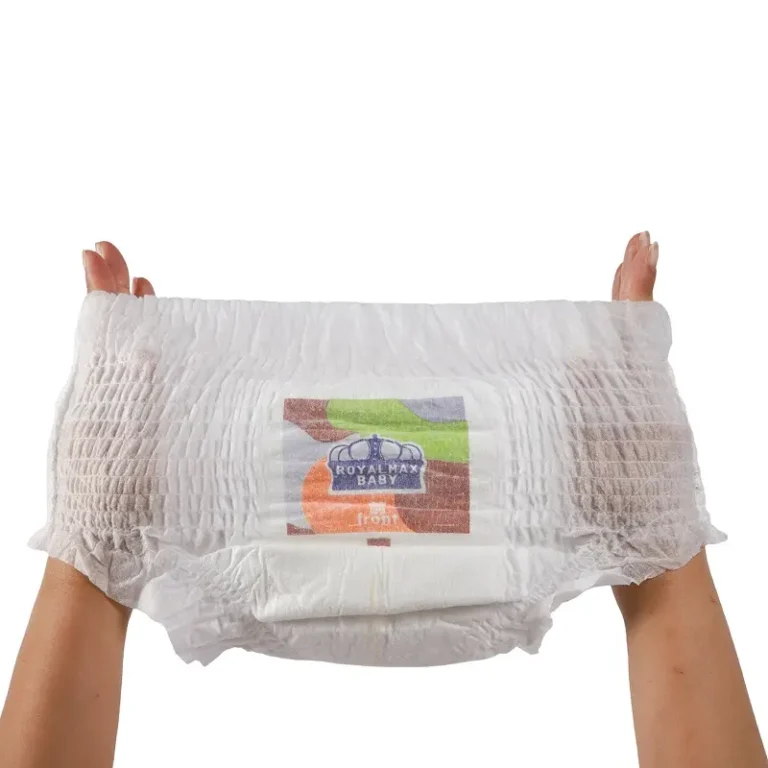
Industry Leaders Profile
- Kimberly-Clark (Huggies)
- Market Leader with $21.3 billion revenue
- Advanced AI-integrated manufacturing processes
- Present in over 175 countries
- Procter & Gamble (Pampers)
- Pioneer in eco-friendly diaper technology
- Enhanced sustainable manufacturing initiatives
- Global smart factory network

Regional Market Analysis and Growth Trends
The global diaper market shows distinct regional patterns and growth opportunities. According to latest market research, regional trends include:
Key Regional Markets
- Asia Pacific
- Fastest growing region with 7.2% CAGR
- Rising middle-class population
- Increasing adoption of premium products
- North America
- Leading in sustainable diaper adoption
- High demand for smart diapers
- Strong focus on organic materials
- Europe
- Strict environmental regulations
- Growing eco-friendly market
- Advanced recycling infrastructure
Innovation and Technology in Diaper Manufacturing
Modern diaper manufacturing has embraced cutting-edge technologies. Leading manufacturers like Softouch Childsea are implementing advanced solutions:
Manufacturing Innovations
- Smart Manufacturing
- AI-powered quality control
- IoT-enabled production monitoring
- Automated material handling
- Sustainable Technologies
- Bio-based absorbent materials
- Zero-waste production systems
- Energy-efficient equipment
- Quality Control Advances
- Computer vision inspection
- Real-time defect detection
- Automated testing systems
Consumer Insights and Market Demands
2025 consumer preferences have evolved significantly, influenced by environmental awareness and technological advancement:
Key Consumer Priorities
- Environmental Impact
- 78% prefer eco-friendly options
- Growing demand for biodegradable products
- Interest in recycling programs
- Product Features
- Enhanced absorbency technology
- Skin-friendly materials
- Smart monitoring capabilities
- Value Considerations
- Balance of quality and price
- Subscription-based purchasing
- Bulk buying options
Choosing a Diaper Manufacturer
When selecting a manufacturing partner in 2025, consider these essential factors:
- Technical Capabilities
- Advanced manufacturing equipment
- Quality control systems
- Innovation capacity
- Sustainability Credentials
- Environmental certifications
- Sustainable practices
- Waste reduction programs
- Production Capacity
- Manufacturing scale
- Flexibility in production
- Quick turnaround capability
Spotlight: Softouch Childsea
As an innovative OEM/ODM manufacturer, Softouch Childsea offers comprehensive manufacturing solutions:
- State-of-the-art 20,000+ square meter facility
- Latest ISO9001, SGS, FDA, and CE certifications
- Advanced customization capabilities
- AI-powered quality control systems
- Sustainable manufacturing practices
- Flexible production capacity
Frequently Asked Questions
Who is the current largest diaper manufacturer in 2025?
Kimberly-Clark, manufacturer of Huggies, leads the global market with annual revenue of $21.3 billion and a market share of 31.5%.
What is the current diaper market size?
The global diaper market reached USD 67.82 billion in 2024, with projected growth to USD 108.93 billion by 2033.
What are the latest trends in diaper manufacturing?
Key trends include smart manufacturing technologies, biodegradable materials, AI integration, and sustainable production methods.
How important is sustainability in diaper manufacturing?
Sustainability has become crucial, with 78% of consumers preferring eco-friendly options and manufacturers investing heavily in sustainable practices.