
Blood Sanitary Pads: What You Need to Know
| Essential Facts About Blood Sanitary Pads |
|---|
|
• Change frequency: Every 4-6 hours for optimal hygiene • Absorption levels: Light, Regular, and Heavy flow options • Market value: Expected to reach $32.4 billion by 2025 • Consumer preference: 42% choose disposable options • Safety: ISO9001, FDA, CE, and SGS certified |

Understanding Blood Sanitary Pads: A Basic Overview
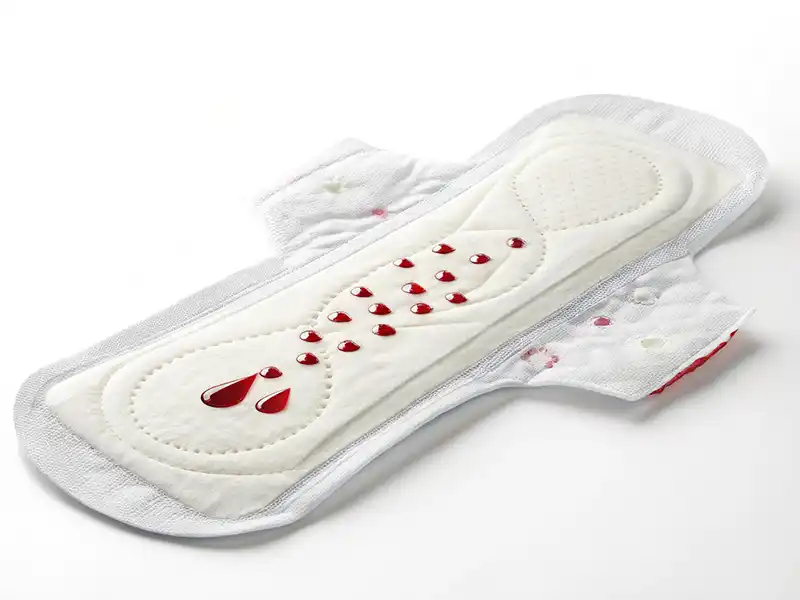
Blood sanitary pads represent essential menstrual hygiene products engineered for comfort and protection. These specialized products combine advanced absorption technology with user-friendly design features.
Basic Structure:
- Top Layer: Soft, quick-absorbing surface for immediate comfort
- Core Layer: High-capacity absorption material with leak protection
- Bottom Layer: Waterproof barrier with secure adhesive
Quality blood sanitary pads combine superior absorption with comfort for optimal menstrual protection." - Softouch Childsea Research Team
Types of Blood Sanitary Pads Available Today
Common Varieties
- Regular Pads:
- Standard daytime protection
- Various absorption levels
- With or without wings
- Overnight Pads:
- Extra length for sleeping positions
- Enhanced absorption capacity
- Secure overnight protection
- Pantyliner Style:
- Light flow days
- Backup protection
- Daily freshness
| Type | Length | Absorption | Best For |
|---|---|---|---|
| Regular | 23-28cm | Medium | Daily Use |
| Overnight | 28-35cm | Heavy | Night Protection |
| Pantyliner | 15-22cm | Light | Light Days |
Essential Features of Quality Blood Sanitary Pads
Key Components
- Advanced Absorption Technology:
- Super-absorbent polymer core
- Multi-layer protection system
- Quick-dry surface technology
- Comfort Features:
- Breathable materials
- Soft-touch covering
- Flexible design adaptation
Quality Certifications:
- ISO9001 Certified Manufacturing
- FDA Approved Materials
- CE Marked Products
- SGS Tested Components
How to Choose the Right Blood Sanitary Pad
Selection Criteria
| Flow Type | Recommended Pad | Change Frequency |
|---|---|---|
| Light | Pantyliner/Light | 6-8 hours |
| Medium | Regular | 4-6 hours |
| Heavy | Super/Overnight | 3-4 hours |
Size Considerations:
- Regular: Everyday activities
- Long: Overnight protection
- Extra-Long: Heavy flow days
"Choose pads based on your flow intensity and daily activities for optimal protection." - Softouch Childsea Product Development Team
Proper Usage and Care Guidelines
Best Practices
- Application:
- Clean, dry underwear surface
- Proper alignment placement
- Secure wing attachment
- Maintenance:
- Regular changes (4-6 hours)
- Proper disposal methods
- Hygiene considerations
Storage Guidelines:
- Keep in cool, dry place
- Avoid direct sunlight
- Maintain original packaging
- Check expiration dates
Market Insights and Trends
Global Market Overview
| Year | Market Size (USD) | Growth Rate |
|---|---|---|
| 2023 | 27.5 billion | 6.2% |
| 2025 | 32.4 billion | 8.1% |
| 2030 | 45.5 billion | Projected |
Current Trends:
- Increasing demand for eco-friendly options
- Innovation in absorption technology
- Growing awareness of menstrual hygiene
- Rise in disposable income in developing markets
Environmental Considerations
Impact Assessment
Understanding environmental impact helps make informed choices:
- Decomposition Time: 500-800 years for traditional pads
- Waste Generation: Average 125-150kg per person lifetime
- Carbon Footprint: 5.3kg CO2 per year per user
Eco-Friendly Initiatives by Softouch Childsea:
- Biodegradable material options
- Reduced packaging waste
- Energy-efficient manufacturing
- Recycling programs
"Our commitment to sustainability drives innovation in eco-friendly menstrual products." - Softouch Childsea Environmental Team
Health and Safety Aspects
Safety Standards
- Material Safety:
- Hypoallergenic testing
- Dermatologically approved
- Non-toxic materials
- Quality Control:
- ISO9001 certified processes
- Regular safety audits
- Third-party testing
Important Precautions:
- Change regularly to prevent infections
- Monitor for allergic reactions
- Follow hygiene guidelines
- Store properly before use
Cost Analysis and Value Comparison
Price Comparison
| Product Type | Average Cost/Month | Annual Cost |
|---|---|---|
| Regular Pads | $8-12 | $96-144 |
| Premium Pads | $12-15 | $144-180 |
| Organic Options | $15-20 | $180-240 |
Value Considerations:
- Quality and durability
- Absorption capacity
- Comfort features
- Environmental impact
Common Questions and Concerns
Frequently Asked Questions
How often should I change my blood sanitary pad?
Change every 4-6 hours, or more frequently during heavy flow. Never exceed 8 hours for optimal hygiene.
Are blood sanitary pads safe to use overnight?
Yes, specially designed overnight pads provide extended protection for 8-10 hours of sleep.
What materials are used in Softouch Childsea pads?
Our pads use FDA-approved materials including:
- Hypoallergenic top sheet
- Super-absorbent polymer core
- Breathable back sheet
- Medical-grade adhesive
Common Concerns
| Issue | Solution |
|---|---|
| Leakage | Choose correct absorbency level and ensure proper placement |
| Discomfort | Try different sizes or styles; ensure correct positioning |
| Skin Sensitivity | Switch to hypoallergenic options; consult healthcare provider |
The Future of Blood Sanitary Pads
Innovative Developments
Upcoming Technologies:
- Smart Absorption: Advanced fluid distribution systems
- Eco-Materials: Fully biodegradable options
- Comfort Enhancement: Improved breathability features
- Customization: Personalized absorption patterns
"Our research focuses on combining superior protection with environmental responsibility." - Softouch Childsea Innovation Team
Future Trends:
- Sustainable manufacturing processes
- Integration of natural materials
- Enhanced comfort technologies
- Smart packaging solutions
Additional Resources
Experience Premium Quality with Softouch Childsea
Discover our range of certified blood sanitary pads, manufactured in our state-of-the-art facility.
Contact Us Today