
Quick Answer: When to Use Gloves for Diaper Changes
| Situation | Gloves Recommended? | Reason |
|---|---|---|
| Public Places | Yes | Higher risk of contamination |
| Daycare Settings | Required | Professional safety standards |
| Home Environment | Optional | Personal preference |
| Baby Has Illness | Yes | Prevent infection spread |
1. When Do You Need Gloves for Diaper Changes?
Key Statistics: According to the CDC, proper hand hygiene and barrier protection can reduce the spread of infectious diseases by up to 80% in childcare settings.
Essential Situations
- Public Places: Always use gloves when changing diapers in public restrooms or changing stations
- Daycare Settings: Required by health regulations in professional childcare environments
- Medical Conditions: When baby has diarrhea, infection, or skin conditions
Optional Situations
At home, glove use is a personal choice. However, CDC guidelines recommend maintaining good hand hygiene regardless of glove usage.
2. Benefits of Using Gloves During Diaper Changes
Professional Tip: Healthcare-grade nitrile gloves offer the best protection while maintaining dexterity for secure diaper changes.
Health Protection Statistics
- Reduces bacterial transmission by 70%
- Prevents cross-contamination between children
- Protects against common infections including E. coli and Rotavirus
3. Step-by-Step Guide to Safe Diaper Changes
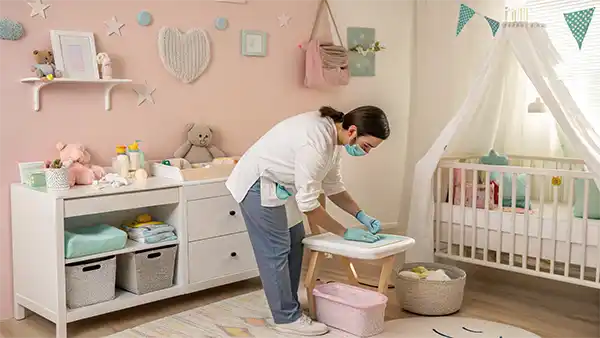
With Gloves: Proper Technique
- Preparation:
- Gather all supplies (diaper, wipes, gloves)
- Clean changing surface with disinfectant
- Put on fresh gloves
- During Change:
- Remove soiled diaper
- Clean baby thoroughly
- Apply diaper rash cream if needed
- Completion:
- Remove gloves properly
- Dispose of waste
- Wash hands thoroughly
Recommended Products for Safe Changes
Try our Softouch Premium Pull-Up Diapers featuring:
- Leak-guard technology
- Soft, breathable materials
- Easy-change design
Without Gloves: Safety Measures
Expert Recommendation: According to the American Academy of Pediatrics, thorough hand washing with soap and warm water for at least 20 seconds is essential when not using gloves.
4. Choosing the Right Diaper Changing Gloves
| Glove Type | Advantages | Best For |
|---|---|---|
| Nitrile | Latex-free, durable, excellent sensitivity | Professional use, allergic individuals |
| Latex | Excellent fit, cost-effective | Regular home use (if no allergies) |
| Vinyl | Most affordable, hypoallergenic | Occasional use, budget-conscious parents |
5. Common Concerns and Solutions
Environmental Impact
Studies show that an average baby uses approximately 2,500-3,000 diapers in their first year, making eco-friendly choices important.
Addressing Common Issues
- Cost Concerns:
While disposable gloves add to diapering costs, bulk purchasing can reduce expenses significantly. Consider keeping gloves for specific situations rather than every change.
- Environmental Impact:
Choose biodegradable options or consider reusable gloves for home use. Pair with eco-friendly diapers like our sustainable pull-up collection.
- Comfort and Dexterity:
Select properly sized gloves and consider powder-free options for better grip.
6. Expert Tips and Best Practices
Professional Recommendations
According to the World Health Organization, proper hand hygiene and protective barriers are crucial in preventing the spread of infections.
Key Guidelines:
- Always keep supplies within reach before starting
- Change gloves between different tasks
- Never reuse disposable gloves
- Maintain a designated changing area
7. Frequently Asked Questions
Do I really need gloves for every diaper change?
While not mandatory for every change at home, gloves are strongly recommended in public places, daycare settings, or when dealing with illness. The key is maintaining proper hygiene, with or without gloves.
What size gloves should I use for diaper changes?
Choose gloves that fit snugly but don't restrict movement. Medium size typically works for most adults, but measure your hand circumference for the best fit.
How can I make diaper changes more efficient with gloves?
Prepare all supplies beforehand, including our easy-change pull-up diapers. Set up a changing station with gloves, wipes, and diapers within arm's reach.
Conclusion
While using gloves for diaper changes isn't always mandatory, it's an important safety measure that can protect both caregiver and baby. The decision often depends on the situation, setting, and personal preference. Remember to prioritize hygiene and choose quality products for the best care of your little one.
Looking for Reliable Diapering Solutions?
Explore our complete range of premium baby care products at Softouch Childsea. Our products are designed with both parent and baby comfort in mind.
This guide is brought to you by Quanzhou Childsea Hygienic Products Co.,Ltd, a leading manufacturer of premium baby care products. Our facility is ISO9001, SGS, FDA, and CE certified, ensuring the highest quality standards in all our products.
