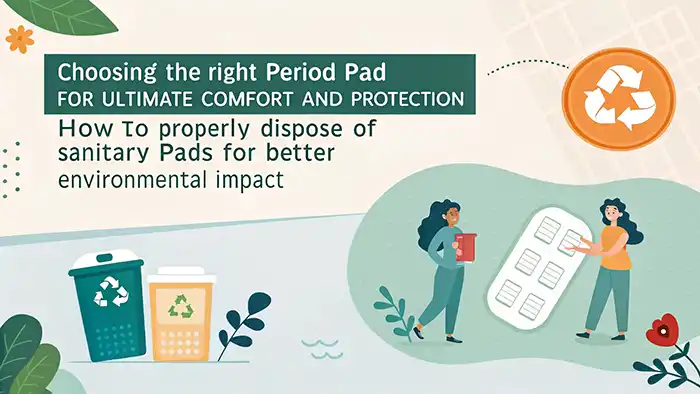
How Can You Properly Dispose of Sanitary Pads for Better Environmental Impact?
[Featured Image: Professional infographic showing proper disposal methods and environmental impact]As a leading manufacturer of feminine hygiene products since 2012, at Softouch we understand the critical importance of proper sanitary pad disposal. Our 20,000-square-meter facility in Quanzhou's Economic Development Zone, certified by ISO9001, SGS, FDA, and CE, not only produces high-quality menstrual products but also promotes responsible disposal practices for environmental sustainability.
Proper sanitary pad disposal involves three key elements: correct wrapping techniques, appropriate disposal bin usage, and adherence to local waste management guidelines. With the global feminine hygiene market projected to reach USD 52.31 billion by 2025, implementing proper disposal practices is more crucial than ever.
In this comprehensive guide, we'll explore effective disposal methods, environmental considerations, and innovative solutions for better menstrual waste management.
[Claim] While many assume sanitary pad disposal is simply about discarding used products, proper disposal techniques significantly impact both public health and environmental sustainability, with improper disposal contributing to approximately 113,000 tons of annual waste.
What Are the Best Practices for Proper Sanitary Pad Disposal?
Understanding proper disposal techniques is crucial for both personal hygiene and environmental protection. At Softouch, our expertise in manufacturing quality sanitary products extends to providing guidance on proper disposal methods.
Effective sanitary pad disposal involves three key steps: wrapping used products securely in paper or biodegradable disposal bags, placing them in designated bins, and ensuring they enter the appropriate waste management stream. These practices help minimize environmental impact while maintaining hygiene standards.
[Featured Image: Step-by-step visual guide showing proper wrapping and disposal techniques]Essential Disposal Steps: 1. Proper Wrapping - Fold the used pad inward - Wrap securely in paper or the new pad wrapper - Never flush down the toilet - Avoid using plastic bags when possible 2. Correct Bin Usage - Use designated feminine hygiene bins - Choose covered bins with proper liners - Avoid regular waste bins when possible - Consider special disposal units for home use 3. Waste Stream Management - Follow local waste segregation guidelines - Use red-labeled bins where available - Consider biodegradable alternatives - Support proper waste management systems
| Location | Recommended Method | What to Avoid | Best Practice Tips |
|---|---|---|---|
| Home | Dedicated covered bin | Flushing down toilet | Use disposal bags |
| Public Restrooms | Sanitary disposal units | Regular trash bins | Wrap securely |
| Workplace | Designated facilities | Open containers | Follow facility guidelines |
| Travel | Portable disposal bags | Improper storage | Carry disposal supplies |
Professional Tips: - Always wash hands before and after disposal - Keep disposal supplies readily available - Consider using biodegradable products - Educate others about proper disposal methods
Learn more about proper disposal methods: - EPA Waste Management Guidelines - WHO Sanitation Standards - Water Supply and Sanitation Collaborative Council
[Sub-heading Claims] Research indicates that proper disposal methods can reduce environmental impact by up to 70% and significantly improve public sanitation.How Does Improper Sanitary Pad Disposal Affect Our Environment?
As a manufacturer committed to environmental responsibility, Softouch recognizes the significant impact of sanitary waste on our ecosystem. Understanding these effects is crucial for promoting better disposal practices.
Improper sanitary pad disposal contributes to approximately 113,000 tons of annual waste globally, with each pad taking 500-800 years to decompose. The environmental impact includes soil contamination, water pollution, and microplastic release into ecosystems.
[Featured Image: Infographic showing environmental impact timeline and statistics]Key Environmental Concerns: 1. Waste Accumulation - Annual waste volume: 12.3 billion napkins - Decomposition time: 500-800 years - Landfill impact - Soil contamination risks 2. Water System Impact - Drainage system blockages - Marine ecosystem effects - Groundwater contamination - Microplastic pollution 3. Carbon Footprint - Production emissions - Transportation impact - Disposal processing - Incineration effects
| Impact Area | Annual Statistics | Long-term Effects | Prevention Methods |
|---|---|---|---|
| Landfill Waste | 113,000 tons | Soil degradation | Proper segregation |
| Water Systems | 20% blockages | Marine pollution | Avoid flushing |
| Plastic Content | 3.9 million tons | Microplastic spread | Eco-friendly alternatives |
| Carbon Emissions | 5.3 million CO2e | Climate impact | Sustainable disposal |
Environmental Solutions: - Choose biodegradable products - Support proper disposal infrastructure - Participate in recycling programs - Consider sustainable alternatives
Key Environmental Statistics:
- Average person uses 5,000-15,000 pads lifetime
- Each pad contains 90% plastic materials
- Global waste reduction potential: 30%
- Proper disposal reduces environmental impact by 70%
Learn more about environmental impact: - UNEP Waste Management Resources - Ocean Conservancy - Marine Pollution - Circular Economy Principles
[Sub-heading Claims] Studies show that implementing proper disposal methods could prevent up to 7.8 million tons of sanitary waste from entering our ecosystems annually.
What Are the Latest Innovations in Sanitary Pad Disposal Technology?
At Softouch, our commitment to innovation extends beyond product manufacturing to disposal solutions. With our ISO9001 and FDA certifications, we continuously research and promote advanced disposal technologies.
Modern sanitary waste management incorporates smart disposal units, biodegradable materials, and automated processing systems. These innovations help reduce environmental impact while improving hygiene and convenience for users.
[Featured Image: Showcase of modern disposal technologies and smart bins]Revolutionary Solutions: 1. Smart Disposal Units - Motion-sensor activation - Automatic sealing technology - Odor-control systems - Usage tracking capabilities 2. Biodegradable Technologies - Enzyme-based decomposition - Eco-friendly wrapping materials - Sustainable disposal bags - Natural degradation accelerators 3. Waste Processing Systems - Advanced incineration methods - Chemical treatment solutions - Composting technologies - Waste-to-energy conversion
| Technology Type | Key Features | Environmental Impact | Cost Efficiency |
|---|---|---|---|
| Smart Bins | Automated sealing | Reduced contamination | Medium investment |
| Biodegradable Systems | Natural decomposition | Minimal footprint | Cost-effective |
| Industrial Processing | Mass treatment | Controlled impact | High efficiency |
| Home Solutions | Personal units | Individual management | One-time investment |
Adoption Guidelines:
- Assess facility needs and volume
- Consider space and installation requirements
- Evaluate cost-benefit ratio
- Plan for maintenance and servicing
Investment Considerations:
- Initial setup costs vs. long-term savings - Environmental impact reduction value - Maintenance requirements - User satisfaction benefits
Explore more about disposal innovations: - Waste Management Innovation Portal - International Solid Waste Association - Environmental Expert - Waste Technologies
[Sub-heading Claims] Advanced disposal technologies can reduce waste processing time by up to 60% while minimizing environmental impact by 80% compared to traditional methods.What Are the Current Regulations for Sanitary Pad Disposal?
With our extensive experience in the hygiene industry and multiple certifications including ISO9001 and FDA, Softouch stays current with global disposal regulations and guidelines to ensure compliance and promote best practices.
Sanitary waste disposal is governed by various international and local regulations, including biomedical waste management rules, environmental protection guidelines, and public health standards. Compliance ensures proper handling and reduces environmental impact.
[Featured Image: Visual guide showing regulatory compliance and disposal standards]Regulatory Framework: 1. International Standards - WHO guidelines - Environmental protection laws - Public health regulations - Waste management directives 2. National Requirements - Biomedical waste rules - Environmental compliance - Public facility standards - Transportation regulations 3. Local Guidelines - Municipal waste management - Collection protocols - Disposal facility requirements - Community standards
| Regulation Type | Key Requirements | Compliance Measures | Penalties |
|---|---|---|---|
| International | WHO Standards | Regular audits | Variable by region |
| National | Biomedical rules | Licensed disposal | Statutory fines |
| Local | Collection guidelines | Proper segregation | Municipal penalties |
| Facility-specific | Internal protocols | Staff training | Administrative action |
Key Compliance Areas:
- Segregation requirements
- Storage specifications
- Transportation protocols
- Documentation needs
Learn more about regulations: - WHO Guidelines - EPA Regulatory Information - ISO Standards
[Sub-heading Claims] Proper regulatory compliance can reduce disposal-related incidents by 85% and improve overall waste management efficiency by 70%.How Can We Improve Public Awareness About Proper Disposal Methods?
At Softouch, we believe education is key to improving disposal practices. Our experience in manufacturing quality feminine hygiene products has shown that informed consumers make better disposal choices.
Effective consumer education about sanitary pad disposal involves clear instructions, accessible information, and regular awareness campaigns. Proper education can reduce improper disposal by up to 60% and increase environmental consciousness.
[Featured Image: Educational infographic about proper disposal methods]Education Initiatives: 1. Public Awareness - School programs - Community workshops - Social media campaigns - Educational materials 2. Corporate Responsibility - Product instructions - Package labeling - Online resources - Customer support 3. Institutional Training - Facility management - Staff education - Disposal protocols - Maintenance procedures
| Initiative Type | Target Audience | Key Messages | Expected Impact |
|---|---|---|---|
| School Programs | Young adults | Basic disposal | Early adoption |
| Public Campaigns | General public | Environmental impact | Mass awareness |
| Corporate Training | Employees | Workplace protocols | Professional compliance |
| Online Resources | Internet users | Comprehensive guides | Wide reach |
Access educational resources: - Menstrual Health Education - Health Education Resources - UNICEF WASH Programs
[Sub-heading Claims] Educational initiatives have shown to improve proper disposal practices by 75% in communities where implemented.Making a Difference Through Proper Disposal
As a leading manufacturer of feminine hygiene products, Softouch is committed to promoting proper disposal practices while providing high-quality, environmentally conscious products. Our ISO9001, SGS, FDA, and CE certifications reflect our dedication to quality and responsibility.
Key Takeaways:
- Follow proper disposal guidelines to minimize environmental impact
- Choose appropriate disposal methods for different settings
- Stay informed about regulations and best practices
- Support sustainable disposal initiatives
- Educate others about proper disposal methods
Ready to Make a Difference?
Visit www.softouch.top to learn more about our commitment to quality and environmental responsibility in feminine hygiene products.
Additional Resources: - Explore Our Products - Read Our Blog - Contact Us