
Quick Comparison Guide
| Feature | Premium Diapers | Mid-Range Diapers | Budget Diapers |
|---|---|---|---|
| Absorbency | Excellent (8-12 hours) | Good (6-8 hours) | Fair (4-6 hours) |
| Skin Protection | Advanced breathable materials | Standard breathable layers | Basic protection |
| Cost per Diaper | $0.35-0.50 | $0.25-0.35 | $0.15-0.25 |
Essential Features to Look for in Baby Diapers
Absorbency and Leak Protection
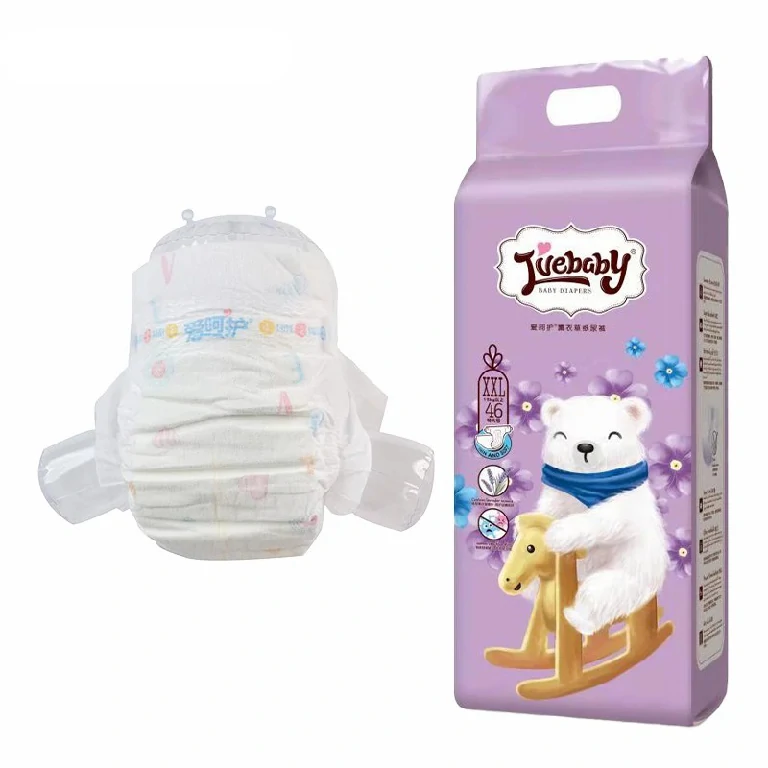
The most crucial feature of any diaper is its ability to absorb moisture quickly and prevent leaks. Premium diapers like Ive Baby feature advanced absorption technology that keeps babies dry for up to 12 hours. When choosing a diaper, consider these key features:
- Multi-layer core for quick moisture absorption
- Leak-guard barriers around legs and waist
- Wetness indicators for timely changes
Comfort and Skin-Friendliness
Your baby’s skin deserves gentle care. Look for these comfort features:
- Hypoallergenic materials that prevent irritation
- Soft, breathable outer layer for air circulation
- Flexible leg cuffs that prevent rubbing
Types of Baby Diapers Compared
Disposable Diapers: Pros and Cons
Disposable diapers offer convenience and reliable absorption. Premium options like Ive Baby provide:
- Superior absorbency for overnight protection
- Easy-to-use fasteners for quick changes
- Convenient disposal after use
Eco-Friendly Options
For environmentally conscious parents, consider these alternatives:
- Biodegradable disposable diapers
- Hybrid diapers with reusable covers
- Cloth diapers with modern fastening systems
Best Diapers for Different Needs
Best for Newborns
Newborns need extra gentle care. Look for diapers with:
- Umbilical cord cutout
- Super soft materials
- Secure but gentle fit
Best for Sensitive Skin
For babies with sensitive skin, choose diapers that offer:
- Hypoallergenic materials
- No harsh chemicals or fragrances
- Extra breathability
How to Choose the Right Diaper Size
| Size | Weight Range | Typical Age Range |
|---|---|---|
| Newborn | Up to 10 lbs | 0-1.5 months |
| Size 1 | 8-14 lbs | 1.5-3 months |
| Size 2 | 12-18 lbs | 3-6 months |
Preventing Diaper Rash: Tips and Best Practices
- Change diapers frequently (every 2-3 hours)
- Use diapers with good breathability
- Apply diaper rash cream preventively
- Ensure proper diaper fit
Common Diaper Questions Answered (FAQ)
How often should I change my baby’s diaper?
Change diapers every 2-3 hours or immediately after bowel movements. Premium diapers like Ive Baby can last up to 12 hours overnight.
How do I know if the diaper size is right?
A properly fitting diaper should have snug leg cuffs with no gaps, and the waistband should sit just below the belly button.
What causes diaper rash and how can I prevent it?
Diaper rash is often caused by prolonged wetness or friction. Use high-quality, breathable diapers and change them regularly to prevent rash.
Cost Comparison and Value Analysis
While premium diapers like Ive Baby may cost more initially, they often provide better value through:
- Superior absorption requiring fewer changes
- Better leak protection reducing clothing changes
- Improved skin health reducing need for rash treatments
