

Who Invented Sanitary Pads? A Journey Through History
| Key Milestones in Sanitary Pad History |
|---|
|
• 1880s: First commercial pads by Southall Brothers • 1888: Johnson & Johnson's Lister's Towels • 1920s: Kotex introduces disposable pads • 1956: Mary Kenner patents sanitary belt • 1969: First adhesive pads introduced |
The Evolution of Menstrual Protection: Ancient Times
Throughout history, women have demonstrated remarkable ingenuity in managing menstruation. Ancient civilizations developed various solutions using available materials and cultural knowledge.
Ancient Materials Used:
- Ancient Egypt: Softened papyrus
- Ancient Greece: Wool and lint
- Ancient Rome: Wool and soft fabrics
- Ancient China: Paper and cloth
The story of menstrual protection is as old as civilization itself, showcasing human innovation across cultures." - Historical Archives
Traditional Methods:
- Reusable cloth pads
- Natural fiber materials
- Moss and grass combinations
- Animal fur and skins
Who Invented Sanitary Pads? A Journey Through History
| Key Milestones in Sanitary Pad History |
|---|
|
• 1880s: First commercial pads by Southall Brothers • 1888: Johnson & Johnson's Lister's Towels • 1920s: Kotex introduces disposable pads • 1956: Mary Kenner patents sanitary belt • 1969: First adhesive pads introduced • Present: \$27.5 billion global market |
The Evolution of Menstrual Protection: Ancient Times
Throughout history, women have demonstrated remarkable ingenuity in managing menstruation. Ancient civilizations developed various solutions using available materials and cultural knowledge, establishing the foundation for modern menstrual care products.
Ancient Civilizations and Their Methods:
- Ancient Egypt (3000 BCE):
- Softened papyrus as absorbent material
- Linen wrappings for comfort
- Natural fiber combinations
- Ancient Greece (400 BCE):
- Wool and lint materials
- Woven fabric designs
- Multiple layer protection
- Ancient Rome (100 CE):
- Wool and soft fabrics
- Early belt-like supports
- Reusable cloth systems
"The ingenuity of ancient civilizations in developing menstrual care solutions laid the groundwork for modern innovations in sanitary protection." - Historical Research Institute
Cultural Impact and Practices:
Different cultures developed unique approaches to menstrual care, influenced by:
- Available materials and resources
- Religious and cultural beliefs
- Social customs and traditions
- Environmental conditions
Archaeological Discoveries:
- Ancient Egyptian papyrus documents
- Greek medical texts
- Roman historical records
- Asian historical manuscripts
First Commercial Innovations (1880s)
The 1880s marked a revolutionary period in menstrual care with the introduction of the first commercial sanitary pads. This development transformed women's health and hygiene practices fundamentally.
Key Innovators and Their Contributions:
| Year | Innovator | Contribution |
|---|---|---|
| 1880 | Southall Brothers | First commercial disposable pad |
| 1888 | Johnson & Johnson | Lister's Towels introduction |
| 1896 | Various Manufacturers | Mass production begins |
Revolutionary Features:
- Materials:
- Cotton wool padding
- Absorbent gauze covering
- Moisture-resistant backing
- Design Elements:
- Rectangle shape for better coverage
- Multiple layer construction
- Early attempts at securing mechanisms
The introduction of commercial sanitary pads in the 1880s represented a pivotal moment in women's health history, marking the beginning of modern menstrual care." - Medical History Journal
Early Production Methods:
- Hand-assembled components
- Limited automation
- Quality control measures
- Distribution challenges

Wartime Revolution: The Birth of Modern Pads
World War I catalyzed a significant breakthrough in sanitary pad development through the innovation of Cellucotton, a material that revolutionized both medical and menstrual care.
Wartime Innovation:
- Material Properties:
- 5x more absorbent than cotton
- Cost-effective production
- Readily available materials
- Nurse's Discovery:
- Bandage repurposing
- Field testing
- Practical application
Birth of Kotex:
| Year | Development | Impact |
|---|---|---|
| 1920 | Kotex Launch | First mass-market disposable pad |
| 1921 | Marketing Innovation | Silent purchase system |
| 1925 | Wide Distribution | Nationwide availability |
"Wartime necessity became the mother of invention, transforming battlefield bandages into revolutionary menstrual care products." - Medical History Archives
Pioneer Women in Sanitary Pad Development
Mary Beatrice Davidson Kenner's Contributions
In 1956, Mary Kenner revolutionized menstrual care with her sanitary belt patent, overcoming both gender and racial barriers.
- Belt Features:
- Moisture-proof napkin pocket
- Adjustable size
- Improved comfort
- Secure positioning
Additional Female Inventors:
- Judith Esser-Mittag: o.b. tampon development
- Gertrude Tendrich: First modern tampon mass production
- Leona Chalmers: Early menstrual cup design
"These pioneering women broke barriers and revolutionized menstrual care through determination and innovation." - Women's Innovation Society
The Adhesive Revolution (1969-1980s)
The introduction of adhesive technology in 1969 marked a transformative moment in sanitary pad history, eliminating the need for belts and pins.
Key Developments:
| Year | Innovation | Impact |
|---|---|---|
| 1969 | Stayfree Adhesive Pads | First self-adhering design |
| 1970s | Improved Adhesives | Better staying power |
| 1980s | Wings Addition | Enhanced leak protection |
Market Transformation:
- Consumer Benefits:
- Increased comfort
- Better mobility
- Improved discretion
- Enhanced confidence
"The adhesive revolution transformed sanitary pads from cumbersome necessities into convenient, reliable protection." - Industry Archives
Technical Innovations in Pad Design
Material Advancements
- Absorption Technology:
- Super-absorbent polymers
- Multi-layer cores
- Rapid-dry surfaces
- Comfort Features:
- Breathable materials
- Soft-touch covers
- Flexible designs
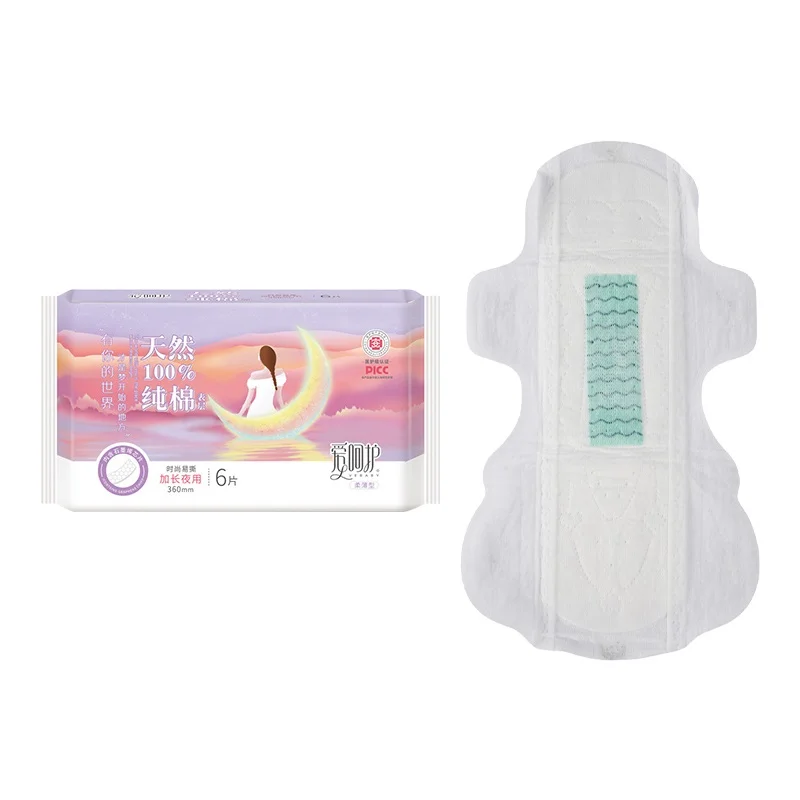
Softouch Childsea's Innovation Highlights:
- ISO9001 certified production
- Advanced testing facilities
- Quality control systems
- Continuous improvement processes
"Modern manufacturing combines advanced materials with precise engineering to create superior menstrual care products." - Softouch Childsea Research Team
Cultural Impact and Social Change
The evolution of sanitary pads has profoundly influenced women's participation in society, education, and workplace environments.
Historical Impact:
- Education Access:
- Reduced school absenteeism
- Increased graduation rates
- Better academic performance
- Workplace Participation:
- Enhanced job attendance
- Improved workplace comfort
- Greater career opportunities
Advertising Progress:
| Era | Approach | Impact |
|---|---|---|
| 1920s | Discrete Marketing | Silent Purchase Systems |
| 1970s | Open Discussion | Reduced Stigma |
| Present | Empowerment Focus | Normalized Conversation |
"The development of reliable menstrual products has been a crucial factor in women's empowerment and social progress." - Women's Health Journal
Environmental Considerations and Sustainability
Current Challenges:
- Material Impact:
- Plastic content reduction
- Biodegradable alternatives
- Recycling initiatives
- Manufacturing Solutions:
- Energy-efficient production
- Waste reduction programs
- Sustainable packaging
Softouch Childsea's Green Commitment:
- Eco-friendly material options
- Reduced packaging waste
- Energy-efficient manufacturing
- Sustainable supply chain
"Our commitment to sustainability drives innovation in eco-friendly menstrual care products." - Softouch Childsea Environmental Team
Global Market Development
Industry Growth Statistics:
| Year | Market Size (USD) | Growth Rate |
|---|---|---|
| 2023 | 27.5 billion | 6.2% |
| 2025 | 32.4 billion | 8.1% |
| 2030 | 45.5 billion | Projected |
Market Dynamics by Region:
- Asia Pacific:
- Rapid market growth
- Increasing awareness
- Rising disposable income
- North America:
- Premium product demand
- Eco-friendly preferences
- Innovation leadership
The global sanitary pad market continues to expand through innovation and increased accessibility." - Market Research Institute
Modern Manufacturing Excellence
Certification and Compliance:
- International Standards:
- ISO9001 Certification
- FDA Approval
- CE Marking
- SGS Testing
Advanced Manufacturing Features:
- Automated production lines
- Quality control systems
- Sterile environments
- Advanced testing facilities
Softouch Childsea Advantages:
- 20,000 square meter facility
- State-of-the-art equipment
- Rigorous quality control
- Custom OEM/ODM solutions
Future of Sanitary Pad Innovation
Emerging Technologies
- Smart Features:
- Moisture indicators
- pH monitoring
- Health tracking capabilities
- Sustainable Materials:
- Biodegradable components
- Organic alternatives
- Eco-friendly packaging
The future of sanitary pads lies in combining comfort, technology, and sustainability." - Softouch Childsea Innovation Team
Future Trends:
- Personalized products
- Smart technology integration
- Enhanced sustainability
- Improved comfort features
Additional Resources
Experience Modern Menstrual Care Innovation
Discover Softouch Childsea's premium sanitary products, manufactured with advanced technology and care.
Contact Us Today
