Why is My Period Late?
Key Takeaways:
- A period is considered late when it's more than 5-7 days past its expected date
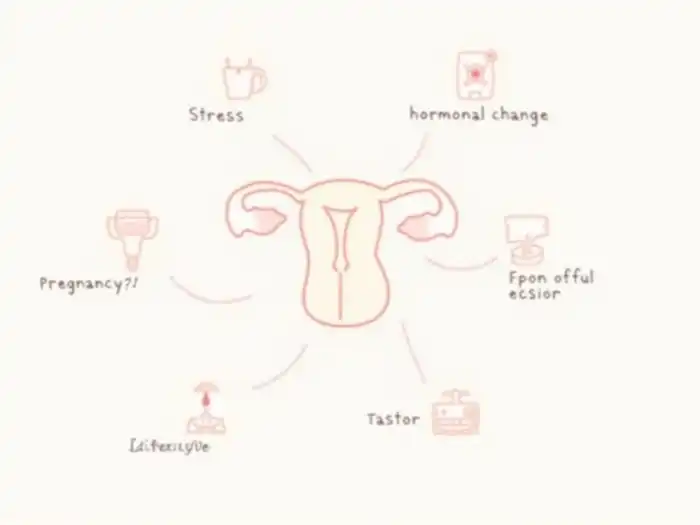
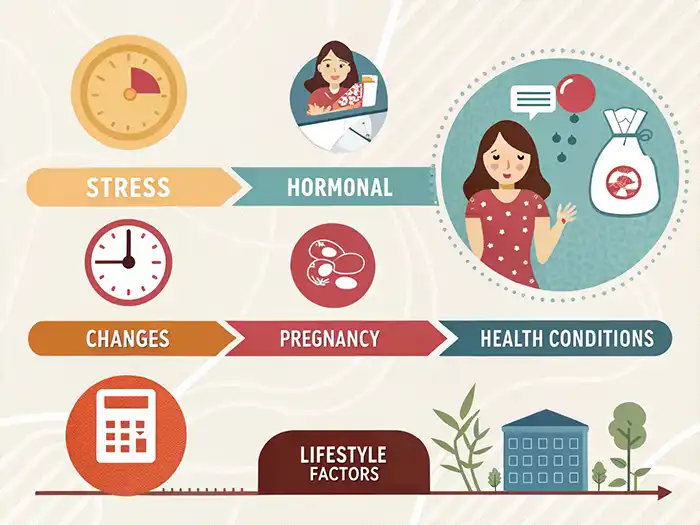
- Common non-pregnancy causes include stress, hormonal changes, and lifestyle factors
- Consult a doctor if your period is missing for 3+ months
- Track your cycle regularly for better menstrual health awareness
Common Reasons for a Late Period (Non-Pregnancy)
Understanding why your period might be late involves exploring multiple factors that can influence your menstrual cycle. While pregnancy is often the first consideration, numerous other situations can affect your body's menstrual timing. According to the Mayo Clinic, hormonal fluctuations play a central role in cycle irregularities.
Stress and Lifestyle Factors
Stress remains one of the most significant factors affecting menstrual timing. When your body experiences prolonged stress, it releases cortisol, which can interfere with the normal production of reproductive hormones. This interference often leads to delayed or missed periods. Research shows that up to 45% of women experience menstrual irregularities during high-stress periods.
Hormonal Imbalances
Hormonal disruptions can occur due to various conditions and lifestyle factors. These include:
- Thyroid disorders (both hypothyroidism and hyperthyroidism)
- Polycystic Ovary Syndrome (PCOS), affecting up to 10% of women
- Recent changes in birth control methods
- Perimenopause symptoms, which can begin several years before menopause
Recent studies indicate that hormonal imbalances account for approximately 30% of irregular menstrual cycles. These imbalances can affect not only your period timing but also other aspects of your health, including mood, weight, and energy levels.
Medical Conditions and Medications
Various health conditions and medications can impact your menstrual cycle. Common medical causes include:
- Endometriosis, affecting roughly 10% of reproductive-age women
- Uterine fibroids, which become more common with age
- Chronic conditions like diabetes or celiac disease
- Certain medications, including antidepressants and blood pressure medications
"Any significant changes in your body's natural balance can affect your menstrual cycle. Understanding these connections helps in identifying the root cause of delays."

Understanding Your Menstrual Cycle
The menstrual cycle is a complex biological process that involves multiple hormones and physiological changes. According to the American College of Obstetricians and Gynecologists, a typical cycle ranges from 21-35 days, though this can vary significantly among individuals. Understanding your unique cycle pattern is crucial for identifying potential irregularities.
The Menstrual Cycle: A Detailed Timeline
- Menstrual Phase (Days 1-5): During this phase, the uterine lining sheds, resulting in menstrual flow. The average blood loss ranges from 30-80 milliliters, though this can vary.
- Follicular Phase (Days 6-14): Your body prepares for potential pregnancy by developing follicles in the ovaries. Estrogen levels gradually rise, causing the uterine lining to thicken.
- Ovulation (Around Day 14): A mature egg releases from the ovary. This phase typically occurs mid-cycle and is when fertility is highest.
- Luteal Phase (Days 15-28): The body prepares either for pregnancy or menstruation. Progesterone levels rise, and if fertilization doesn't occur, hormone levels drop, triggering the next cycle.
Hormonal fluctuations throughout these phases can cause various physical and emotional symptoms. Common experiences include:
- Breast tenderness and swelling
- Mood changes and irritability
- Bloating and water retention
- Changes in energy levels and appetite
Research from the National Institutes of Health suggests that up to 80% of women experience some premenstrual symptoms during their regular cycles. Understanding these patterns helps distinguish between normal variations and potential concerns requiring medical attention.
Tracking Your Cycle
Maintaining a menstrual calendar or using period tracking apps can help identify patterns and irregularities. Note important details such as:
- Start and end dates of periods
- Flow intensity and duration
- Associated symptoms
- Lifestyle factors that might affect your cycle
When to See a Doctor
Recognizing when to seek medical attention for menstrual irregularities is crucial for maintaining reproductive health. The Office on Women's Health recommends consulting healthcare providers under specific circumstances.
Immediate Medical Attention Required If:
- Your period has been absent for three or more consecutive months (amenorrhea)
- You experience sudden changes in cycle length or flow
- Bleeding occurs between periods or after menopause
- Periods become extremely heavy (soaking through pad/tampon every 1-2 hours)
- Severe pain accompanies your periods
- Bleeding lasts longer than seven days
During your medical consultation, expect the following evaluations:
- Medical History Review: Including family history, previous menstrual patterns, and lifestyle factors
- Physical Examination: General health assessment and possible pelvic exam
- Laboratory Tests: Including hormone levels, thyroid function, and pregnancy tests
- Imaging Studies: Possibly ultrasound or other diagnostic imaging if needed
Healthcare providers typically consider several factors when diagnosing menstrual irregularities:
- Age and reproductive history
- Recent lifestyle changes
- Medication use
- Stress levels and mental health
- Other health conditions
Tips for Maintaining Regular Periods
Establishing and maintaining regular menstrual cycles requires a comprehensive approach to health and wellness. Research from the Cleveland Clinic indicates that lifestyle modifications can significantly impact menstrual regularity.
Essential Lifestyle Adjustments
Creating a balanced lifestyle involves multiple factors working together:
Weight Management
- Maintain BMI between 18.5-24.9
- Avoid extreme weight fluctuations
- Focus on gradual, sustainable changes
- Consider working with a nutritionist for personalized guidance
Exercise Guidelines
- Aim for 150 minutes of moderate exercise weekly
- Include both cardio and strength training
- Avoid excessive high-intensity workouts
- Listen to your body's signals
Sleep Optimization
- Maintain consistent sleep schedule
- Get 7-9 hours of quality sleep
- Create a relaxing bedtime routine
- Limit screen time before bed
Dietary Recommendations for Menstrual Health
A balanced diet plays a crucial role in hormonal regulation. Focus on:
- Iron-rich foods to replace monthly losses
- Omega-3 fatty acids for inflammation reduction
- Complex carbohydrates for energy balance
- Adequate protein for hormone production
- Essential vitamins and minerals (especially B vitamins, magnesium, and zinc)
Impact of Stress on Menstrual Cycles
Stress significantly influences menstrual regularity through various physiological mechanisms. The World Health Organization recognizes stress as a major factor in reproductive health.
How Stress Affects Your Cycle
Stress triggers several hormonal responses:
- Increased cortisol production disrupts normal hormone balance
- Altered hypothalamic function affects menstrual timing
- Disrupted sleep patterns impact hormone regulation
- Changes in eating habits affect overall body function
Effective Stress Management Techniques
- Mindfulness Practices: Daily meditation, deep breathing exercises
- Physical Activities: Yoga, tai chi, regular walking
- Time Management: Setting boundaries, prioritizing tasks
- Social Support: Maintaining connections, seeking professional help when needed
Studies show that implementing stress management techniques can normalize menstrual cycles in up to 35% of women experiencing stress-related irregularities.
Medical Conditions and Period Irregularity
Understanding the relationship between medical conditions and menstrual irregularity is crucial for proper diagnosis and treatment. According to research published by the Endocrine Society, various medical conditions can significantly impact menstrual cycles.
Primary Medical Conditions
- PCOS (Polycystic Ovary Syndrome):
- Affects 8-13% of reproductive-age women
- Causes irregular periods and hormonal imbalances
- Often associated with insulin resistance
- May require long-term management
- Thyroid Disorders:
- Both hypothyroidism and hyperthyroidism affect cycles
- Can cause heavy, light, or missed periods
- Often accompanied by other symptoms
- Usually improves with proper treatment
Secondary Medical Conditions
Other health conditions that may affect menstrual regularity include:
- Endometriosis (affecting 10% of women)
- Uterine fibroids (common in women over 35)
- Pelvic inflammatory disease
- Chronic conditions like diabetes or celiac disease
Frequently Asked Questions
Common Questions About Late Periods
How does weight affect menstrual cycles?
Body weight significantly influences menstrual regularity. Both underweight and overweight conditions can disrupt normal hormone production. The ideal BMI range for regular periods is typically between 18.5 and 24.9. Studies show that weight changes of more than 10% can affect menstrual cycles.
Can medications cause irregular periods?
Several medications can affect menstrual cycles, including:
- Antidepressants
- Blood pressure medications
- Chemotherapy drugs
- Some anti-inflammatory medications
How do travel and time zone changes affect periods?
Travel across time zones can temporarily disrupt your menstrual cycle due to:
- Changes in sleep patterns
- Disruption of circadian rhythms
- Travel-related stress
- Different eating patterns
Taking Care of Your Menstrual Health
Managing menstrual health requires attention to various lifestyle factors and awareness of potential medical conditions. While some irregularity is normal, persistent changes should be evaluated by healthcare providers. For your comfort during menstrual cycles, consider using Softouch's premium sanitary products, designed for optimal protection and comfort.
Remember these key points:
- Track your cycles regularly
- Maintain a healthy lifestyle
- Pay attention to unusual changes
- Seek medical advice when needed